Automated Executive Summary Pipeline for a Private Equity-Backed Company
A PE-backed portfolio company was producing monthly board packs manually - pulling financials, sales data, and operational KPIs from multiple tools, then writing narrative commentary. The process took three days. We eliminated it.
The problem
A PE-backed portfolio company was producing monthly board packs manually - pulling financials from accounting software, sales data from HubSpot, operational KPIs from various internal tools, and then writing narrative commentary in Google Slides. The process took three days and the finished pack reflected data that was 48–72 hours old.
"The CFO was spending a day and a half on the board pack every month. That is time she should have been spending on analysis and decisions, not on moving numbers from one system to another and writing sentences about them."
Context
PE-backed portfolio companies operate under a different reporting cadence than founder-led businesses. The board expects a consistent format, delivered on a predictable schedule, with commentary that explains variances rather than simply presenting them. That expectation is reasonable, but it creates a structural problem: producing a consistent, well-formatted pack every month requires significant manual effort from the CFO and finance team, precisely the people the PE firm is paying to do analytical work rather than formatting work.
In this case, the company had 150 staff across multiple functions, and the board pack required data from four separate systems: Xero for financials, Salesforce for pipeline and revenue data, BambooHR for headcount and people metrics, and a Google Sheet for operational KPIs that did not fit cleanly into any of the core platforms. The CFO estimated the full process - pulling data, calculating variances, building slides, and writing narrative - took three days of her and the finance associate's combined time each month. The pack was delivered on day three of the month, meaning the board received February's data on March 3rd. One board member had begun requesting informal weekly updates because the monthly pack felt too stale to make decisions on. That informal request was the signal that the current process was no longer fit for purpose.
What we built
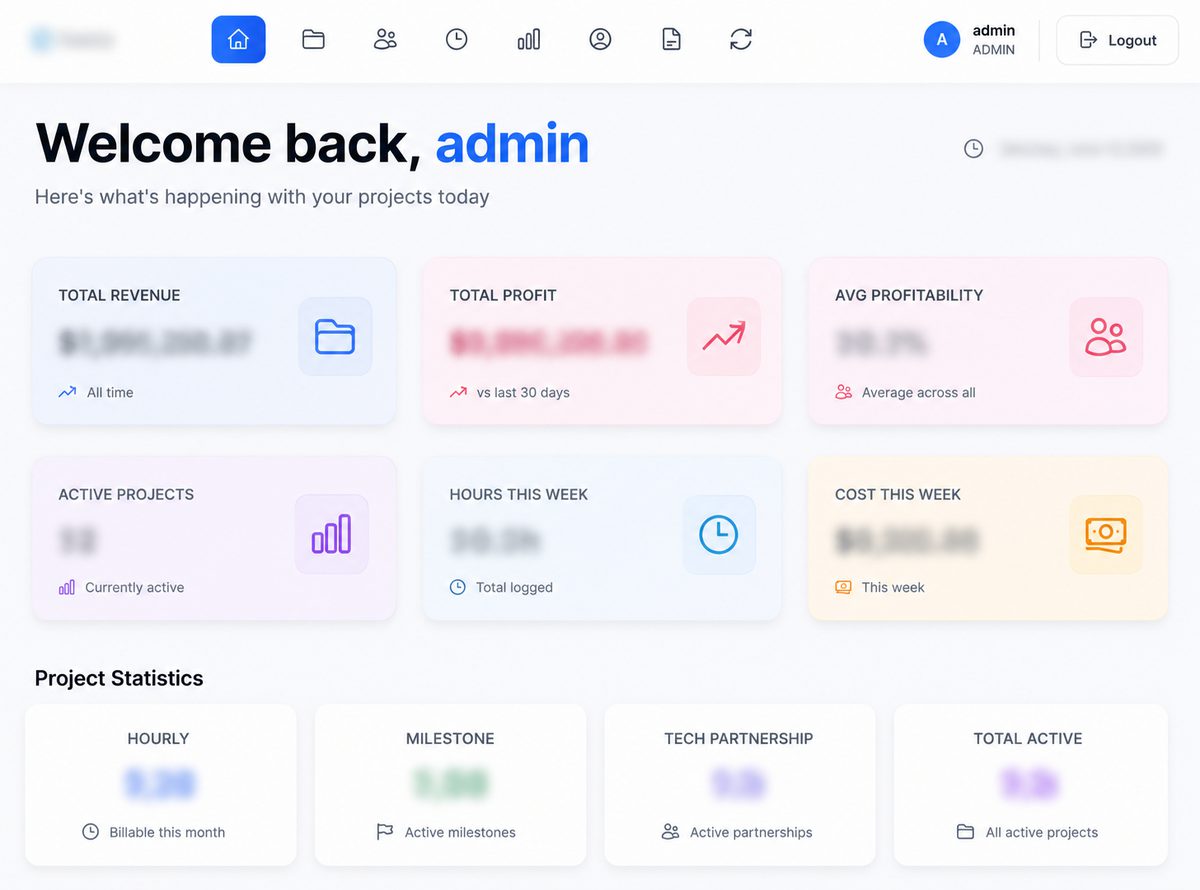
We built an automated executive summary pipeline using Claude and Python. On the first of each month, the system automatically pulls data from all connected sources, calculates period-over-period variances, identifies the top three operational risks, and generates a structured narrative in the company tone and format.
Technical approach
The pipeline runs as a scheduled Python job on the first of each month. API integrations connect to Xero, Salesforce, BambooHR, and Google Sheets. The normalization layer standardizes metrics across sources - for example, reconciling Salesforce pipeline values with recognized revenue in Xero requires careful handling of deal stages, probability weightings, and timing differences between CRM and accounting recognition. Variance calculations compare current period against both prior period and the agreed budget targets stored in the configuration file.
The narrative generation step uses Claude, prompted with a detailed brief built from 12 months of prior board packs. We spent two working sessions with the CFO analyzing what the board expected: which metrics to lead with, how to frame variance commentary (distinguishing one-off items from structural trends), what language to avoid, and how to handle months where performance was below target. This prompt engineering work was more involved than the data integration work. The output is populated into a Google Slides template via the Slides API, preserving the visual format the board was accustomed to. The final pack is distributed via Gmail API with version tracking, so there is always a clear record of which version each recipient received.
The automation timeline
Challenges and how we solved them
The narrative generation was the hardest technical problem in this engagement. Generating text that says "revenue was up 8% month on month" is straightforward. Generating text that sounds like a CFO who has been working with this board for three years - using their specific vocabulary, flagging the things they care about, contextualizing variances appropriately - required significantly more work. We iterated through six prompt versions before the CFO was satisfied that the output met the standard the board expected. The key breakthrough was treating the prompt not as a set of instructions but as a voice guide: we documented what the CFO's writing sounded like, what she always included, what she never said, and how she handled difficult news, then encoded those patterns explicitly.
The second challenge was data availability on the first of the month. Not all source systems close their data at the same time - Xero required the month-end reconciliation to be completed before the export was accurate, which sometimes happened on the 2nd or 3rd of the following month. We built a data readiness check that runs before the narrative generation step and holds the pipeline if any source has not yet been reconciled. The CFO receives a notification if the hold is triggered, so she can either expedite the close process or approve a run on partially reconciled data with appropriate caveats added to the narrative.
Results
The board pack is now ready on time, every time, with same-day data. The CFO reclaimed six hours per month.
The informal request for weekly updates stopped after the second automated pack was delivered. The board's feedback was that the pack was more consistent and clearer than the manually produced version - not because the content was different, but because the format was identical every month and the variance commentary followed a predictable structure that made it faster to read. The CFO now spends the time she reclaimed on a forward-looking financial model that supports the PE firm's portfolio planning process - work that had been deferred for over a year due to the monthly reporting burden. The finance associate has taken on a broader business partnering role, supporting the COO on operational analysis that had previously been outside the finance team's scope.
Key learning
The hardest part of automated reporting is not data aggregation - it is narrative generation. Getting an AI to write in the right tone, flag the right things, and not over-explain takes more prompt engineering than most teams expect. Budget for it. The data pipeline can usually be built in days. The narrative that meets a board's expectations - specific to their history, their concerns, and their communication preferences - requires multiple rounds of review and calibration. Teams that skip this step produce reports that are technically accurate but feel generic, which defeats the purpose of replacing a CFO's carefully crafted commentary.